

Picture a girl sitting alone on a rock in a campground, her face streaked with tears. She is fourteen, though her thin frame makes her look even younger.
She could be pretty—with her green eyes and long blonde hair—but her face is dirty, and there is a taste in her mouth she knows she will never forget.
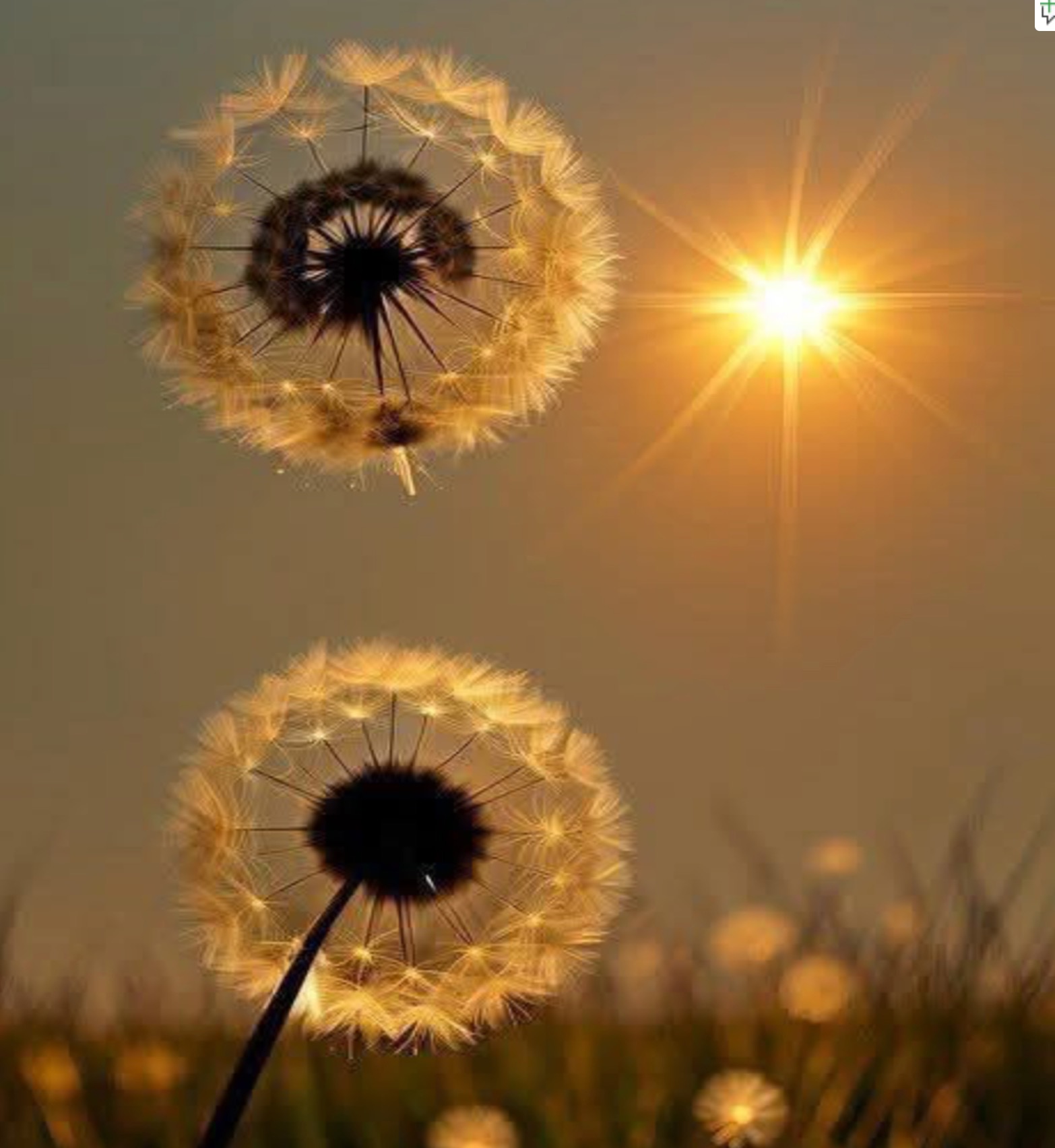
She has been hurt before, but not like this. A breeze passes through the oaks above her, and the dandelions around her stir. She wipes her tears, trying to steady herself.
What would it feel like, she wonders, to matter?
Then she sees the truck. White, worn, moving slowly toward her. She recognizes the man behind the wheel.
For a moment, her mind drifts back—to San Bernardino, to the life she had before.
A home with her mother and brother, filled with something she hasn’t felt in years: safety.
But that life is gone.
This—what is in front of her now—is the life she is living.
And the girl on the rock is me. It was this or the juvenile detention facility in San Jose. I had been there before.
Strangely, it was one of the few places I had felt a sense of hope—when I asked if I could be placed in a foster home instead of being sent back to my father.
I didn’t even mind the uniform.
Not all men are monsters.
And yet, there I was—a tear-streaked girl sitting alone on a rock, the morning light rising around me, indifferent to everything that had just happened.
The truck slowed and came to a stop. My father was behind the wheel. I watched his eyes move over my face, then my body. There was no concern in them. He smiled.
“Come here. Let’s get you cleaned up before we head home,” he said.
I pushed myself to my feet, unsteady. When the door opened, I climbed in, pressing myself as far away from him as I could. His hand reached across and smoothed my hair back.
“I’m your daddy,” he said, as if that explained everything.
How quickly he does that—twisting something meant to protect into something that feels wrong.
I know his patterns. I want to believe they no longer work on me. I don’t trust him. I don’t trust the life I’ve been given. I don’t need a daddy. I just want a moment where I don’t have to protect myself. I learned early that danger is never far away. And only hours before, I had seen just how dark it can be. I didn’t want to go home.
There is no safety there.
My body ached—inside and out.
And I had nowhere else to go.
We arrived home at breakfast time.
The boys—eleven, seven, and five—rushed through the house, already late for school.
At the sunlit end of the kitchen table, Dotti sat with her coffee and cigarette, steady in the middle of the chaos.
They grabbed their lunches and headed for the door.
George turned back to me.
“Hurry up, Sis—the bell’s about to ring.”
Without thinking, I decided I would go to school just as I was. I paused for a moment, taking it in. This is my life.
I’ve come to a place where I can finally begin to put the pieces of it together. Before now, I couldn’t.
There was no time to reflect—only the need to keep moving, to keep surviving.
Today, my life is centered around two things: understanding the truth of my mother’s death and holding those who harmed me accountable, even if many are no longer here.
My story deserves to be heard. I lived in silence for too long.
So how did I end up alone on a rock in a campground at fourteen—dirty, exhausted, and on my own?
There are many answers to that question. But years ago, I wouldn’t have been able to face them. The truth was too painful to unravel.
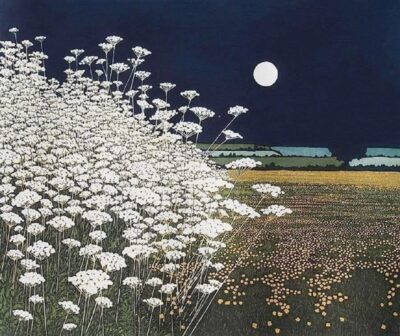
*Dandelions grow anywhere—through cracks, in harsh soil, in places nothing else survives.
They don’t need perfect conditions. They endure.

Leave A Comment
You must be logged in to post a comment.